Discover how the right filter media improves solid-liquid separation in mining. Learn about ceramic membranes, cloth options, and selection best practices.
At a Glance
Filter media is the porous material or membrane used in solid-liquid separation equipment to capture suspended particles while allowing liquid to pass through. Selecting the correct filtration medium directly determines cake moisture, filtrate clarity, energy consumption, and overall operating costs in mineral processing and tailings dewatering applications.
Introduction
Filter media is foundational to the efficiency of any solid-liquid separation circuit. Whether you are managing tailings dewatering, producing metallurgical concentrates, or preparing paste backfill, the filtration medium dictates the boundary between valuable product recovery and costly operational bottlenecks. Mining companies and mineral processing plants face increasing pressure to reduce water consumption and eliminate conventional tailings storage facilities, making advanced filtration technologies more important than ever. CEC Mining Systems designs and manufactures advanced solid-liquid separation equipment, providing specialized filtration solutions that outperform conventional cloth alternatives in demanding environments. You can Follow CEC Mining Systems on LinkedIn to stay updated on our latest technological deployments across the Americas and Australia.
The choice of filtration material impacts everything from vacuum energy requirements to the frequency of maintenance shutdowns. In water-constrained jurisdictions like the Atacama Desert in Chile or remote operations in Western Australia, the ability to recover and reuse process water is not just an environmental imperative but a strict operational necessity. When the filtration barrier fails to perform, the entire site mass balance is compromised, leading to increased freshwater makeup costs and potential regulatory violations. In this guide, we examine the different types of filtration materials used in modern mining operations, compare their performance characteristics, and outline the engineering criteria required to select the optimal solution for your specific mineralogy and throughput targets. Understanding these variables ensures your plant achieves sustained continuous operation and maximizes water recovery without incurring excessive maintenance overhead.
What Is Filter Media in Solid-Liquid Separation?
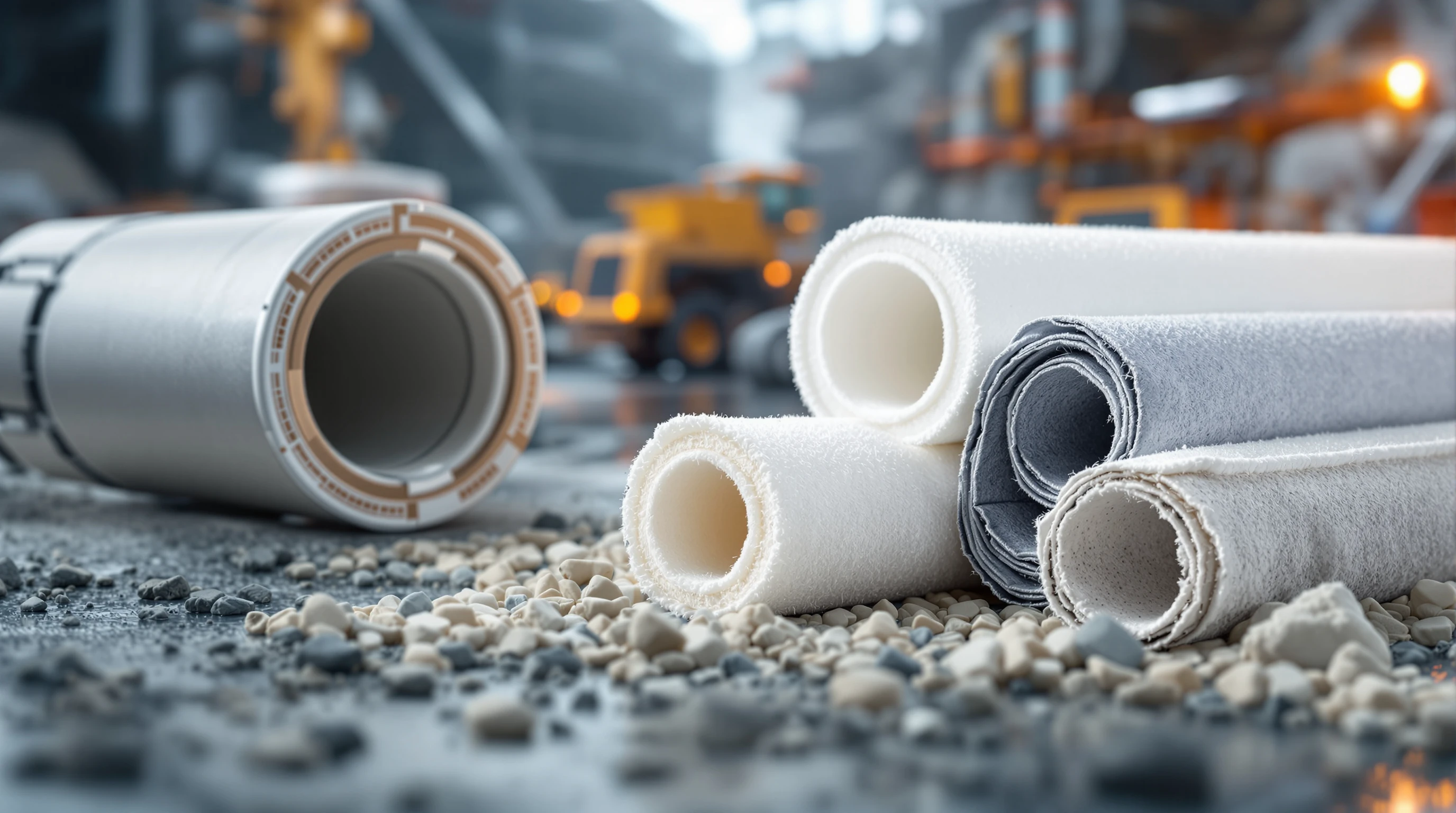
Filter media in solid-liquid separation refers to the physical barrier that retains solid particles while permitting the liquid phase to pass through under applied pressure or vacuum. In mining and metallurgical applications, this barrier must withstand highly abrasive slurries, corrosive chemical environments, and continuous mechanical stress. Traditional operations rely on woven synthetic or natural fiber cloths, which require frequent replacement due to blinding, tearing, or chemical degradation. When a conventional cloth filter becomes blinded by fine particles, the vacuum system must work significantly harder to pull moisture through the cake, leading to inflated energy costs and reduced throughput. Industry guidelines published by the Society for Mining, Metallurgy & Exploration highlight the hidden costs of consumable filtration materials in overall plant operating budgets.
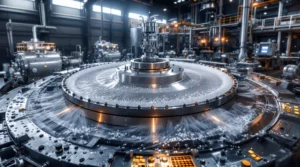
Advanced filtration systems have shifted toward microporous ceramic membranes to overcome the limitations of traditional fabric-based materials. These rigid, inorganic structures use capillary action and precise pore sizing to draw water through the membrane while completely rejecting suspended solids. The microporous alumina ceramic membranes used in modern disc-vacuum filtration systems maintain their structural integrity and pore geometry far longer than flexible fabrics. This durability translates directly into sustained filtrate quality, achieving suspended solids levels below 200 parts per million. By eliminating the frequent downtime associated with cloth changes and high-pressure wash systems, mining operators maintain continuous production campaigns that last for months rather than weeks.
The transition from flexible fabrics to rigid ceramic structures represents a fundamental shift in how mineral processing plants approach moisture control and water recovery. Because the ceramic structure does not stretch or deform under vacuum pressure, the resulting filter cake is highly uniform in thickness and moisture content. This consistency is particularly important for operations producing concentrates for marine export, where strict moisture limits must be met to prevent cargo liquefaction. Ultimately, the physical properties of the filtration medium dictate the thermodynamic efficiency of the dewatering process, making material selection one of the most consequential engineering decisions in the plant design phase.
How Does Ceramic Membrane Technology Outperform Conventional Cloth?
Ceramic membrane technology outperforms conventional cloth by using uniform microporous structures that prevent particle penetration and eliminate the need for compressed air cake discharge. In a standard vacuum filter using fabric, the cloth stretches, deforms, and eventually allows fine particles to migrate into the filtrate stream, compromising water clarity and forcing downstream clarifiers to handle excessive fines loading. Ceramic disc filters operate on a fundamentally different principle. The rigid alumina segments feature precisely engineered pore sizes ranging from 0.75 to 3.0 microns, ensuring that even ultrafine tailings particles are captured on the surface to form a highly porous filter cake.
Liquid is drawn through the micropores via capillary action and vacuum, preventing air from passing through the wet membrane. This unique characteristic means the vacuum system only pulls liquid, resulting in up to 85 percent lower energy consumption compared to conventional vacuum filters that constantly pull air through the cloth and cake. The cake discharge mechanism on a ceramic disc filter relies on a simple scraper and a brief backwash of filtrate, entirely avoiding the high-volume compressed air blasts that degrade fabric materials over time. This gentle handling extends the lifespan of the filtration medium to approximately 24 months per campaign.
For mining operations dealing with abrasive concentrates or high-clay tailings, this longevity drastically reduces consumable costs and eliminates the safety hazards associated with manual cloth replacement in confined filtration spaces. The consistent pore geometry also guarantees that the filtrate remains entirely solids-free, allowing the recovered water to be returned directly to the process circuit without additional polishing steps. In large-scale copper or gold operations, this immediate water reuse offsets millions of liters of freshwater extraction annually, directly supporting the site’s sustainability targets and reducing the environmental footprint documented in global registries like the UNEP Global Tailings Portal . The elimination of cloth inventory and the reduction in vacuum pump sizing further contribute to significant capital expenditure savings during the initial plant construction or brownfield expansion phases.
What Factors Influence Filtration Material Selection for Mining?
Selecting the appropriate filtration material for a mining operation requires a comprehensive analysis of the slurry’s physical and chemical properties, the target cake moisture, and the overarching site water balance. The particle size distribution of the feed slurry is the primary driver of material selection. Ultrafine materials, such as those found in flotation tailings or hydrometallurgical precipitates, demand extremely tight pore structures to prevent blinding and ensure high clarity in the recovered water. Coarser materials, like those produced in heavy mineral washing circuits, tolerate larger pore sizes or benefit from the heavy-duty washing capabilities of horizontal belt filtration systems using specialized synthetic fabrics.
Chemical compatibility is equally important. Leaching circuits involve highly acidic or alkaline slurries that rapidly degrade standard polypropylene or polyester fabrics. In these aggressive environments, inorganic ceramic structures or highly specialized fluoropolymer fabrics are required to maintain structural stability. Temperature fluctuations and the presence of dissolved salts also cause scaling within the pores of the medium, necessitating specific chemical washing protocols or surface treatments to maintain permeability. Operations processing lithium or rare earth elements encounter complex brine chemistries that accelerate the degradation of conventional organic filtration materials, making the chemical inertness of alumina ceramics a mandatory requirement for sustained operation.
The desired end-use of the filter cake dictates the acceptable moisture content. Metallurgical concentrates destined for smelter feed or export shipping must meet strict moisture limits to prevent liquefaction during marine transport and to minimize freight costs. Achieving these low moisture targets requires combining primary filtration with secondary drying technologies, such as infrared steel belt dryers. Understanding the interplay between feed mineralogy, chemical environment, and product specifications ensures that the chosen material delivers optimal performance without incurring excessive maintenance or energy penalties. Plant metallurgists must weigh these variables carefully during the feasibility stage to avoid costly retrofits once the plant is operational.
How Can Operators Extend the Lifespan of Filtration Components?
Operators extend the lifespan of filtration components by implementing rigorous feed conditioning, optimizing backwash cycles, and maintaining strict control over the slurry’s rheology prior to the filtration stage. The introduction of oversized debris, trash, or unground ore into the filtration feed is a leading cause of mechanical damage to both ceramic membranes and synthetic fabrics. Installing high-efficiency trash screening equipment, such as the CX-Rotaspiral Screen , upstream of the filter feed box protects the delicate surface of the filtration medium from scoring and punctures. This simple upstream intervention prevents catastrophic membrane failures and ensures that only properly sized particles enter the dewatering circuit.
Proper flocculant addition and thickener operation are also important. Feeding a poorly flocculated slurry with excessive ultrafines leads to the formation of an impermeable, high-resistance cake that forces the vacuum system to operate at maximum capacity, accelerating wear on the medium and the vacuum pumps. By ensuring the thickener underflow is consistently dense and properly conditioned, the filter forms a permeable cake that releases moisture easily under lower vacuum pressures. Automated flocculant dosing systems that respond to real-time solids loading variations are highly effective in maintaining this consistency, preventing the sudden spikes in fine particles that blind filtration surfaces.
Routine maintenance protocols must include regular inspections of the scraper alignment and backwash nozzles. If the scraper is set too far from the surface, residual cake builds up and hardens, eventually blinding the pores. If set too close, mechanical wear accelerates. For ceramic systems, using the system’s own clean filtrate for the backwash pulse ensures that no external contaminants or scaling agents are introduced into the micropores. By treating the filtration circuit as an integrated system rather than an isolated machine, plant metallurgists and maintenance teams routinely achieve multi-year campaigns from advanced filtration materials, securing a strong return on investment and minimizing unplanned shutdowns that disrupt the broader mineral processing flowsheet.
What People Are Asking
What is the difference between ceramic and cloth filter media?
Ceramic filtration media uses rigid microporous membranes to capture solids via capillary action, while cloth media relies on woven synthetic fibers requiring frequent replacement. The rigid structure of ceramic segments prevents the stretching and deformation commonly seen in fabric filters, ensuring that pore geometry remains consistent throughout the operating campaign. This stability allows ceramic systems to produce exceptionally clear filtrate and operate with significantly lower vacuum energy requirements, ultimately reducing both consumable costs and maintenance labor over the lifespan of the equipment.
How does filter media affect water recovery in tailings management?
The filtration medium directly determines water clarity and dewatering efficiency, allowing high-quality filtrate to bypass secondary clarification and return immediately to the processing circuit. When the medium effectively rejects ultrafine particles, the recovered water contains suspended solids levels low enough to be reused directly in flotation or leaching circuits without causing scaling or interfering with chemical reagents. This immediate reuse is critical for mines operating in arid regions where freshwater extraction is heavily regulated, expensive, or logistically impossible to sustain at high production volumes.
Why do conventional vacuum filters consume more energy than ceramic disc filters?
Conventional vacuum filters consume more energy because air continuously passes through the porous fabric, forcing vacuum pumps to work harder to maintain required pressure differentials. In contrast, the micropores in a wet ceramic membrane are small enough that surface tension prevents air from entering, meaning the vacuum system exclusively extracts liquid. This fundamental difference in fluid dynamics allows ceramic disc filters to utilize much smaller vacuum pumps, resulting in dramatic reductions in electrical consumption and lowering the overall carbon footprint of the dewatering plant.
How often should mining operations replace their filtration materials?
Replacement intervals depend on material type and slurry abrasiveness; conventional synthetic cloths require frequent changes, while advanced ceramic membranes sustain continuous campaigns for many months. Fabric filters in demanding mining applications often require replacement every few weeks due to blinding, tearing, or chemical degradation, necessitating constant inventory management and labor. Conversely, high-quality alumina ceramic membranes can operate continuously for up to 24 months before requiring a scheduled change-out, drastically reducing long-term operating expenses and eliminating the safety risks associated with manual cloth replacement inside confined filter housings.
Filtration Technologies Compared
Comparing filtration technologies highlights the operational and financial advantages of upgrading from conventional systems to advanced solid-liquid separation equipment. The choice of filtration material dictates not only the capital expenditure but also the long-term operating costs, maintenance labor, and water recovery efficiency of the entire plant. While conventional cloth filters present a lower initial capital cost for small-scale or temporary operations, the cumulative expense of consumable replacement, high energy usage, and downstream water polishing quickly erodes any upfront savings. The table below contrasts the performance metrics of traditional fabric-based vacuum filtration against modern microporous ceramic disc filtration.
| Performance Metric | Conventional Cloth Vacuum Filter | Ceramic Disc Vacuum Filter |
|---|---|---|
| Filtration Medium Lifespan | Weeks to months | Up to 24 months |
| Filtrate Quality (Suspended Solids) | >10,000 ppm | 50-200 ppm |
| Energy Consumption | High (pulls air and liquid) | Up to 85% lower (pulls liquid only) |
| Cake Discharge Mechanism | Compressed air blow (degrades cloth) | Scraper and filtrate backwash |
| Maintenance Downtime | Frequent cloth changes required | Continuous, uninterrupted operation |
Mining operations transitioning to ceramic technology consistently report substantial reductions in both capital and operating expenditures. These savings are driven by the elimination of cloth inventory, reduced vacuum pump sizing, lower clarifier workload, and the ability to sustain uninterrupted production campaigns that maximize overall plant throughput and profitability.
Advanced Solid-Liquid Separation Solutions from CEC Mining Systems
CEC Mining Systems provides comprehensive solid-liquid separation solutions tailored to the rigorous demands of the global mining and metallurgical industries. Our proprietary CX-Series Ceramic Disc Vacuum Filter uses advanced microporous alumina membranes to deliver superior dewatering performance, drastically reducing energy consumption and maintenance downtime compared to traditional fabric-based systems. Whether your operation requires tailings dry stacking, concentrate filtration for export, or paste backfill preparation, our engineering team designs integrated circuits that maximize water recovery and minimize environmental risk across diverse geological and climatic conditions.
We support our technology with full-lifecycle project delivery, from initial conceptual studies to turnkey plant commissioning. Our dedicated Bench and Pilot Testing facility in Kamloops, British Columbia, allows us to characterize your specific slurry mineralogy and validate filtration parameters before capital is committed. This data-driven approach, enhanced by AI-assisted benchmarking tools, de-risks your project and ensures the selected equipment meets your exact throughput and moisture specifications. By testing your actual ore samples, we eliminate the guesswork that plagues greenfield deployments and brownfield expansions.
Beyond equipment supply, we offer extensive Brownfield Audits and Optimization services for existing plants struggling with high operating costs or frequent media failures. Our multidisciplinary team identifies circuit bottlenecks and implements targeted upgrades that restore profitability and extend equipment life. With over 650 systems installed across eight countries, CEC Mining Systems combines boutique project agility with global execution capability. Contact our team today to discuss how our advanced filtration technologies improve your site’s mass balance and operational efficiency.
Practical Tips for Optimizing Filtration Circuits
Optimizing a solid-liquid separation circuit requires ongoing attention to feed conditions, equipment calibration, and preventive maintenance protocols. Implementing the following best practices ensures your filtration system operates at peak efficiency and extends the service life of the filtration components, safeguarding your investment and maintaining steady production rates.
- Install Upstream Trash Screening: Protect delicate filtration surfaces from mechanical damage by installing high-efficiency rotary screens ahead of the filter feed box. Removing oversized debris and tramp materials prevents scoring, punctures, and premature blinding of the filtration medium, ensuring that only properly sized particles enter the dewatering circuit.
- Optimize Flocculant Dosing: Ensure the slurry is properly conditioned before it reaches the filter. Consistent flocculant addition promotes the formation of a permeable, porous cake that releases moisture easily under vacuum, reducing the mechanical stress on the vacuum pumps and the filtration material while improving overall throughput.
- Calibrate Scraper Clearances: Regularly verify the alignment and clearance of the cake discharge scrapers. Setting the scraper too far from the surface allows residual cake to harden and blind the pores, while setting it too close accelerates mechanical wear on the membrane or cloth, leading to premature failure.
- Use Clean Filtrate for Backwashing: Always use the system’s own clarified filtrate for backwash pulses or cloth washing. Introducing raw process water or external sources introduces scaling agents and fine particulates that permanently plug the micropores or fabric weave, drastically reducing permeability.
- Monitor Vacuum Pressure Trends: Track vacuum pressure readings over time to detect early signs of blinding or media degradation. A gradual increase in required vacuum to maintain the same throughput indicates that the medium is losing permeability and requires chemical cleaning or scheduled replacement before a catastrophic failure occurs.
Wrapping Up
Filter media selection is an important engineering decision that impacts the entire mineral processing flowsheet, from water recovery efficiency to final product moisture specifications. Advanced ceramic membrane technologies offer a proven, cost-effective alternative to conventional fabrics, delivering sustained continuous operation, superior filtrate clarity, and massive reductions in energy consumption. By prioritizing feed conditioning, upstream screening, and rigorous maintenance protocols, mining operators maximize the lifespan and performance of their solid-liquid separation equipment. CEC Mining Systems is ready to help you optimize your dewatering circuits and achieve your sustainability targets. Reach out to our process engineering team via our Contact Us page to schedule a consultation or request a bench-scale testwork proposal for your next tailings or concentrate project.
Useful Resources
- Follow CEC Mining Systems on LinkedIn. LinkedIn.
https://ca.linkedin.com/company/cec-mining-systems-corporation - Society for Mining, Metallurgy & Exploration. SME.
https://www.sme.org - Global Tailings Portal. UNEP.
https://www.unep.org/resources/report/global-tailings-portal