Discover how a ceramic membrane filtration system improves site water recovery, reduces key operating costs, and supports sustainable global mining operations today.
Quick Summary
Ceramic membrane filtration system is a solid-liquid separation technology that uses microporous alumina membranes to dewater tailings, recover process water, and produce dry filter cake for stacking or paste backfill.
Quick Stats: ceramic membrane filtration system
- Achieved a 98.37 percent reduction in turbidity during pilot-scale wastewater testing (Elsevier, 2024) [1] .
- Reached approximately 99.2 percent removal efficiency for synthetic feed water with bentonite clay (Journal of Membrane Science, 2024) [2] .
- Delivered a permeate flux of 534 liters per square meter per hour in secondary mullite ceramic membrane testing (Royal Society of Chemistry, 2024) [4] .
Introduction
Mining operations worldwide face mounting pressure to reduce freshwater consumption and eliminate conventional tailings storage facilities. A ceramic membrane filtration system addresses these challenges by separating fine solids from liquid slurries with exceptional precision. CEC Mining Systems Corp. designs and manufactures these advanced solid-liquid separation solutions to help mining, metallurgical, and industrial clients recover water and stabilize tailings. You can Follow CEC Mining Systems on LinkedIn to stay updated on our latest project deployments and technical advances.
Unlike traditional filter cloth that blinds and tears, microporous alumina ceramic membranes maintain consistent performance over extended campaigns. This guide explores how this technology works, the operational benefits it delivers, and why it outperforms conventional dewatering equipment in demanding mineral processing environments.
What is a ceramic membrane filtration system?
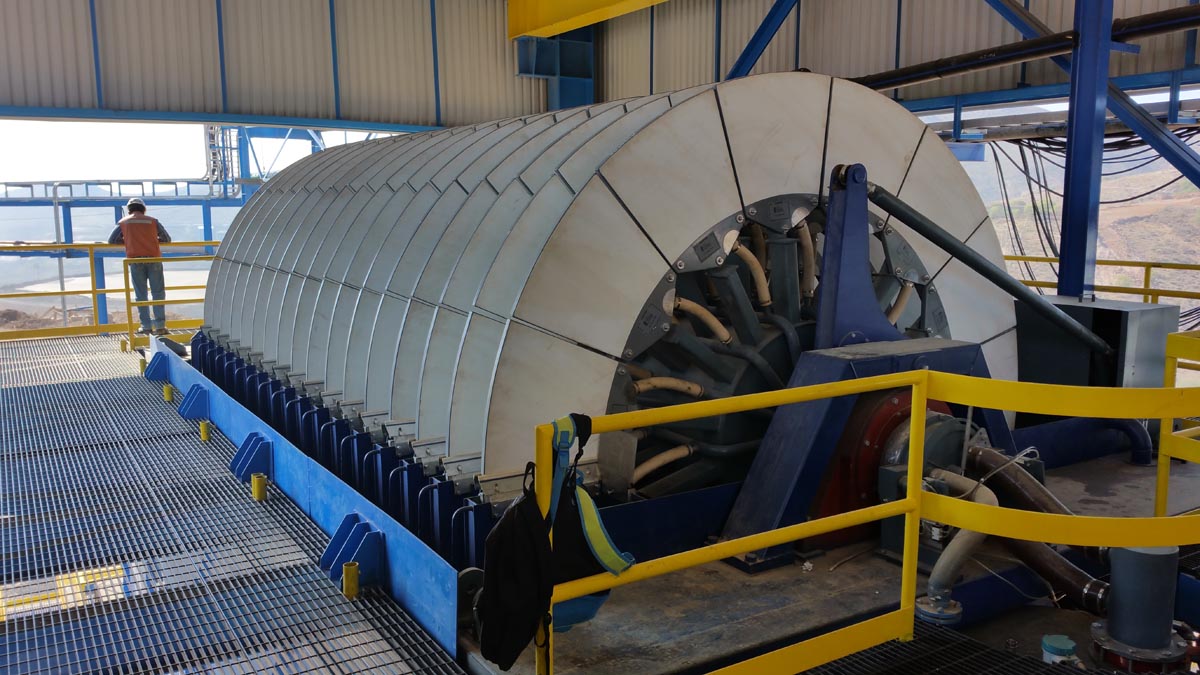
A ceramic membrane filtration system is an advanced solid-liquid separation technology that replaces conventional filter cloth with durable, microporous alumina ceramic segments. These ceramic disc vacuum filters rotate through a slurry basin, where vacuum and capillary forces draw liquid through the membrane while retaining fine particles on the surface. The result is a continuous, automated dewatering process that produces a dry filter cake and high-quality filtrate.
In mineral processing and tailings management, ceramic membrane filtration technology is important for achieving site mass balance and water recovery objectives. The microporous structure of the alumina membrane allows only water to pass through, blocking air and preventing the vacuum loss that plagues traditional cloth filters. This unique capillary action ensures that the vacuum pump only works to move liquid, drastically reducing energy consumption, as highlighted in an Elsevier wastewater treatment study . In fact, ceramic disc vacuum filters use up to 85 percent less energy than conventional vacuum filtration methods.
The filter cake that forms on the ceramic surface is 1.0 to 4.0 percent drier than cake produced by standard cloth filters at similar throughput rates. This lower moisture content is important for downstream applications like tailings dry stacking and paste backfill, where excess water compromises geotechnical stability and increases binder costs. The filtrate recovered from the system contains fewer than 200 parts per million of suspended solids. This exceptional clarity means the water is returned directly to the process circuit without requiring additional clarification or polishing steps.
By eliminating the need for frequent cloth replacements, a ceramic membrane filtration system also minimizes planned downtime. The ceramic segments operate continuously for up to 24 months before requiring replacement, providing a reliable foundation for large-scale mining operations that demand uninterrupted production. Whether applied to copper concentrate dewatering in Chile or gold tailings filtration in Western Australia, the fundamental mechanics of capillary-driven vacuum filtration remain the same, delivering predictable and cost-effective results.
How does a ceramic membrane filtration system improve water recovery?
Water scarcity is a defining constraint for modern mining projects, particularly in arid jurisdictions like the Atacama Desert in Chile or the goldfields of Western Australia. A ceramic membrane filtration system directly addresses this challenge by maximizing the volume of process water that is recovered and reused on site. By capturing fine particles and producing a solids-free filtrate, the technology closes the site water loop and reduces the need to draw from vulnerable freshwater aquifers.
The key to this high water recovery rate lies in the membrane’s pore structure. With pore sizes ranging from 0.75 to 3.0 microns, the ceramic surface captures ultrafine particles that would otherwise pass through conventional filter cloth and accumulate in process water circuits. When these ultrafines build up, they increase slurry viscosity, reduce flotation recovery, and force operators to bleed off water to maintain circuit stability. By removing these contaminants at the dewatering stage, the ceramic membrane filtration system keeps the recycled water clean and chemically stable.
Research across various industrial applications confirms the high separation efficiency of ceramic membranes. For example, a 2024 study published in the Journal of Membrane Science found that coated ceramic membranes achieved approximately 99.2 percent removal efficiency when treating synthetic feed water containing bentonite clay (Journal of Membrane Science, 2024) [2] . While this specific study focused on natural material substrates, the underlying principle of high-efficiency fine particle rejection applies directly to the engineered alumina membranes used in mining. As Mohammed D. Alsubei noted in the research, the drive to fabricate ceramic membranes for water treatment applications focuses heavily on using cost-effective materials that deliver reliable separation performance (Alsubei, 2024) [2] . This focus on efficiency is further detailed in the Journal of Membrane Science research .
In a practical mining context, the high filtrate clarity translates to immediate operational benefits. Thickeners and clarifiers downstream of the filtration circuit experience significantly reduced solids loading, allowing them to operate at higher rise rates and produce clearer overflow. For operations using tailings dry stacking, the recovered water is immediately available for dust suppression, reagent mixing, or mill feed. This thorough approach to water and tailings management ensures that mining companies maintain their social license to operate in water-stressed regions while simultaneously lowering their operational costs.
Why choose a ceramic membrane filtration system over conventional filters?
Selecting the right dewatering equipment requires a careful evaluation of both capital and operating expenses over the life of the mine. When comparing a ceramic membrane filtration system to conventional vacuum filters or pressure filters, the long-term economic and operational advantages become clear. The most immediate difference is the elimination of filter cloth, which is a major consumable cost and a frequent source of unplanned downtime in traditional filtration plants.
Conventional filter cloths are prone to blinding, tearing, and stretching, especially when processing abrasive mineral slurries or materials with high clay content. When a cloth fails, the vacuum is lost, the filter cake moisture spikes, and the machine must be shut down for maintenance. In contrast, the rigid microporous alumina membranes used in a ceramic membrane filtration system do not stretch or tear. They maintain their structural integrity and pore geometry throughout their service life, ensuring consistent cake moisture and continuous operation. This reliability translates to a 30 to 40 percent reduction in operating costs compared to conventional filtration technologies.
Energy consumption is another area where ceramic technology outperforms legacy equipment. Because the ceramic membrane relies on capillary action to draw water through the pores while blocking air, the vacuum system does not need to pull large volumes of air through the filter media. This targeted vacuum application reduces the power draw of the vacuum pumps by up to 85 percent. For a large-scale tailings dewatering plant operating multiple high-capacity filters, this energy savings represents a substantial reduction in the site’s carbon footprint and electricity bills.
The quality of the filter cake produced by a ceramic membrane filtration system is inherently superior for geotechnical applications. The 1.0 to 4.0 percent reduction in cake moisture compared to conventional vacuum filters means that less water is sent to the tailings storage facility or paste backfill plant. In paste backfill operations, this drier cake reduces the amount of expensive cementitious binder required to achieve the target unconfined compressive strength, generating significant cost savings over the life of the underground mine.
What are the best applications for a ceramic membrane filtration system?
The versatility of a ceramic membrane filtration system allows it to be deployed across multiple stages of the mineral processing value chain. While it is most widely recognized for its role in tailings management, the technology is equally effective in concentrate dewatering, paste backfill preparation, and industrial water treatment. Understanding where this equipment delivers the highest return on investment helps mining engineers and project managers optimize their plant flowsheets.
Tailings dry stacking is the primary application driving the adoption of ceramic disc vacuum filters globally. Regulatory pressure and environmental stewardship are forcing mining companies to move away from conventional slurry tailings ponds, which pose significant dam failure risks and consume vast quantities of water. By filtering tailings to a high solids content, a ceramic membrane filtration system enables the creation of a geotechnically stable, dry stack that is safely stored and progressively rehabilitated. This approach is particularly important in seismically active regions like Peru and Chile, where the structural integrity of tailings facilities is under intense scrutiny.
In metallurgical and refining applications, precise moisture control is required for meeting smelter contracts and shipping specifications. Copper, zinc, and lead concentrates must be dewatered to specific moisture thresholds to prevent cargo liquefaction during ocean transport and to minimize freight costs. A ceramic membrane filtration system achieves these tight moisture specifications consistently, without the moisture spikes caused by cloth blinding on conventional filters. When even lower moisture levels are required, the ceramic filter is paired with an infrared steel belt dryer to achieve the exact final product specifications.
Paste backfill operations in underground hard rock mines also rely heavily on efficient solid-liquid separation. The upstream dewatering step must produce a filter cake with low enough moisture to minimize binder consumption while maintaining the correct rheology for pipeline transport. A ceramic membrane filtration system integrated into a paste plant delivers the consistent, low-moisture cake required for high-quality backfill, supporting safer underground void management and reducing surface tailings volumes. Whether deployed in the Andes, the Canadian Shield, or Western Australia, the technology adapts to local mineralogies and site-specific engineering constraints.
Important Questions About ceramic membrane filtration system
What is the lifespan of a ceramic membrane filtration system?
A ceramic membrane filtration system operates for up to 24 months per campaign before the ceramic segments require replacement. The microporous alumina membranes are highly resistant to abrasion and chemical degradation, allowing them to maintain their pore structure and filtration efficiency far longer than conventional synthetic filter cloths. Routine maintenance involves periodic chemical cleaning to remove scale or organic buildup, which restores the membrane’s permeability without damaging the ceramic substrate. This extended lifespan significantly reduces the labor and consumable costs associated with frequent media changes, making it a highly reliable component in continuous mineral processing circuits.
How much does a ceramic membrane filtration system cost compared to conventional filters?
A ceramic membrane filtration system delivers a 30 to 40 percent reduction in total operating costs compared to conventional cloth-based vacuum filters. While the initial capital expenditure for the ceramic equipment is comparable to or slightly higher than legacy technologies, the elimination of filter cloth replacements, reduced energy consumption, and lower maintenance requirements quickly offset the upfront investment. The vacuum pumps consume up to 85 percent less electricity due to the capillary-driven filtration mechanism, and the absence of cloth-related downtime increases overall plant throughput. Over a five-year operating period, the net present value of these operational savings makes ceramic filtration the more economical choice.
Can a ceramic membrane filtration system handle high solids loading?
A ceramic membrane filtration system handles high solids loading and fine particle distributions found in modern tailings and concentrate streams. The rotary disc design provides a large filtration area within a compact footprint, allowing the machine to process high volumes of slurry continuously. The microporous alumina membrane effectively captures ultrafine particles down to 0.75 microns, preventing the solids from passing through into the filtrate. For operations with exceptionally high throughput requirements, modular ceramic filter designs allow engineers to scale the system by adding additional discs or deploying multiple units in parallel to match the plant’s mass balance.
What maintenance does a ceramic membrane filtration system require?
A ceramic membrane filtration system requires minimal mechanical maintenance due to its strong construction and lack of flexible filter media. The primary maintenance activity is automated or semi-automated chemical washing, which uses mild acids or cleaning agents to dissolve mineral scale and restore membrane permeability. This washing cycle is integrated into the machine’s programmable logic controller and executes without halting production. Mechanical inspections focus on the rotary drive, vacuum valves, and filtrate pumps, which are standard industrial components. Because there is no filter cloth to tension, track, or replace, the maintenance team focuses on predictive analytics and overall plant optimization rather than reactive repairs.
Ceramic membrane filtration system vs. conventional vacuum filters
Selecting the optimal dewatering technology requires balancing cake moisture, operating costs, and application suitability. A ceramic membrane filtration system excels in fine particle separation and energy efficiency, while conventional vacuum filters and horizontal belt filters serve different niches in the mineral processing flowsheet.
FeatureCeramic membrane filtration systemConventional disc vacuum filterHorizontal belt filterFilter mediaMicroporous alumina ceramicSynthetic filter clothHeavy-duty rubber belt and clothEnergy consumptionUp to 85% lower [1]High (vacuum pulls air and water)ModerateFiltrate clarityBelow 200 ppm suspended solids>10,000 ppm (cloth blinding)Variable, depends on clothMaintenanceLow (periodic chemical wash)High (frequent cloth replacement)Moderate (belt tracking and cloth changes)Best applicationTailings dry stacking, paste backfillLegacy concentrate dewateringHeavy-duty washing, coarse dewatering
The ceramic membrane filtration system provides superior filtrate quality and lower operating costs, making it the preferred choice for modern tailings management and water recovery circuits. Horizontal belt filters remain relevant when continuous counter-current washing of coarse materials is required.
How CEC Mining Systems supports solid-liquid separation
CEC Mining Systems Corp. (CECMS) is a Canadian manufacturer specializing in advanced solid-liquid separation equipment and turn-key tailings dewatering projects. Since our founding in 2011, we have installed over 650 systems across eight countries, helping mining and metallurgical clients optimize their water balance and tailings management strategies. Our flagship CX-Series Ceramic Disc Vacuum Filter uses proprietary microporous alumina membrane technology to deliver the 30 to 40 percent operating cost savings and exceptional filtrate clarity that modern mines demand.
We support our clients through the entire project lifecycle, from initial feasibility to long-term operational support. Our subsidiary, Canadian Critical Minerals Research (CCMR), provides extensive Bench and Pilot Testing to characterize your specific tailings or concentrate mineralogy. This data-driven approach ensures that your ceramic membrane filtration system is sized correctly and integrated smoothly into your plant flowsheet.
Whether you are developing a greenfield tailings dry stacking facility in Latin America or upgrading an aging concentrate filtration circuit in Canada, our multidisciplinary engineering team delivers Engineering Studies, Turnkey and Integrated Plant Supply tailored to your jurisdiction and production targets. We also offer Water and Tailings Management solutions that address the complex environmental and regulatory challenges facing the global mining industry today. Contact our team to discuss how our ceramic filtration technology improves your site’s sustainability and profitability.
Ceramic membrane filtration system best practices
Implementing and operating a ceramic membrane filtration system effectively requires attention to feed preparation, chemical management, and performance monitoring. Following these best practices ensures maximum membrane lifespan and consistent dewatering performance.
- Optimize feed flocculation : Proper flocculant addition upstream of the ceramic filter is important for forming a porous, permeable filter cake. Work with your reagent suppliers to identify the optimal polymer molecular weight and charge density for your specific mineralogy. A well-flocculated feed improves filtration rates and reduces the vacuum load on the system.
- Implement automated chemical washing: Mineral scale, particularly calcium carbonate or iron hydroxides, gradually reduces membrane permeability over time. Configure the system’s programmable logic controller to execute automated acid or chelating agent washes at regular intervals. This proactive cleaning prevents irreversible fouling and maintains the membrane’s capillary action without requiring manual intervention.
- Monitor filtrate clarity continuously: The primary advantage of a ceramic membrane filtration system is its ability to produce solids-free filtrate. Install inline turbidity or suspended solids sensors on the filtrate discharge line to detect any early signs of membrane damage or O-ring seal failures. A sudden spike in filtrate turbidity indicates that a specific ceramic segment requires inspection or replacement.
- Maintain consistent slurry density: Fluctuations in feed solids concentration lead to uneven cake formation and localized vacuum loss. Ensure that your upstream thickeners or conditioning tanks are equipped with reliable density controllers to deliver a steady, predictable slurry to the filter basin. Consistent feed conditions allow the ceramic membrane filtration system to operate at its designed capacity and produce a uniform filter cake moisture content.
The Bottom Line
A ceramic membrane filtration system represents a significant advancement in solid-liquid separation technology, offering mining and metallurgical operations a reliable, cost-effective solution for tailings dewatering, water recovery, and concentrate filtration. By replacing conventional filter cloth with durable microporous alumina membranes, operators achieve substantial reductions in energy consumption, maintenance costs, and unplanned downtime. The resulting high-quality filtrate and drier filter cake directly support sustainable mining practices, including dry stacking and paste backfill.
CEC Mining Systems Corp. is ready to help you integrate this proven technology into your next project. From bench-scale testwork to full EPC delivery, our team provides the technical expertise and global execution capability required to succeed in complex mining jurisdictions. Contact CEC Mining Systems today to request a consultation and discover how our ceramic filtration solutions optimize your plant’s performance and environmental compliance.
Further Reading
- Innovative ceramic membrane plate filtration system for sustainable semiconductor industry wastewater treatment. Elsevier.
https://nchr.elsevierpure.com/en/publications/innovative-ceramic-membrane-plate-filtration-system-for-sustainab/ - Fabrication and characterization of coated ceramic membranes from natural sources for water treatment applications. Journal of Membrane Science.
https://discovery.ucl.ac.uk/id/eprint/10180859/ - Ceramic membrane filtration for oily wastewater treatment: Basics, membrane fouling and fouling control. Desalination.
https://pure.tudelft.nl/ws/portalfiles/portal/201809945/1-s2.0-S0011916424004387-main.pdf - Advanced membrane technology for biomass separation. Nanyang Technological University.
https://dr.ntu.edu.sg/handle/10356/176234 - ADVANCES IN THE APPLICATION OF MODIFIED CERAMIC MEMBRANES. Ceramics – Silikáty.
https://www2.irsm.cas.cz/materialy/cs_content/2024_doi/Lin_CS_2024_0047.pdf