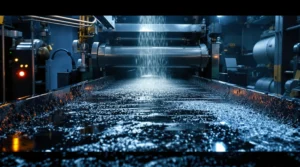
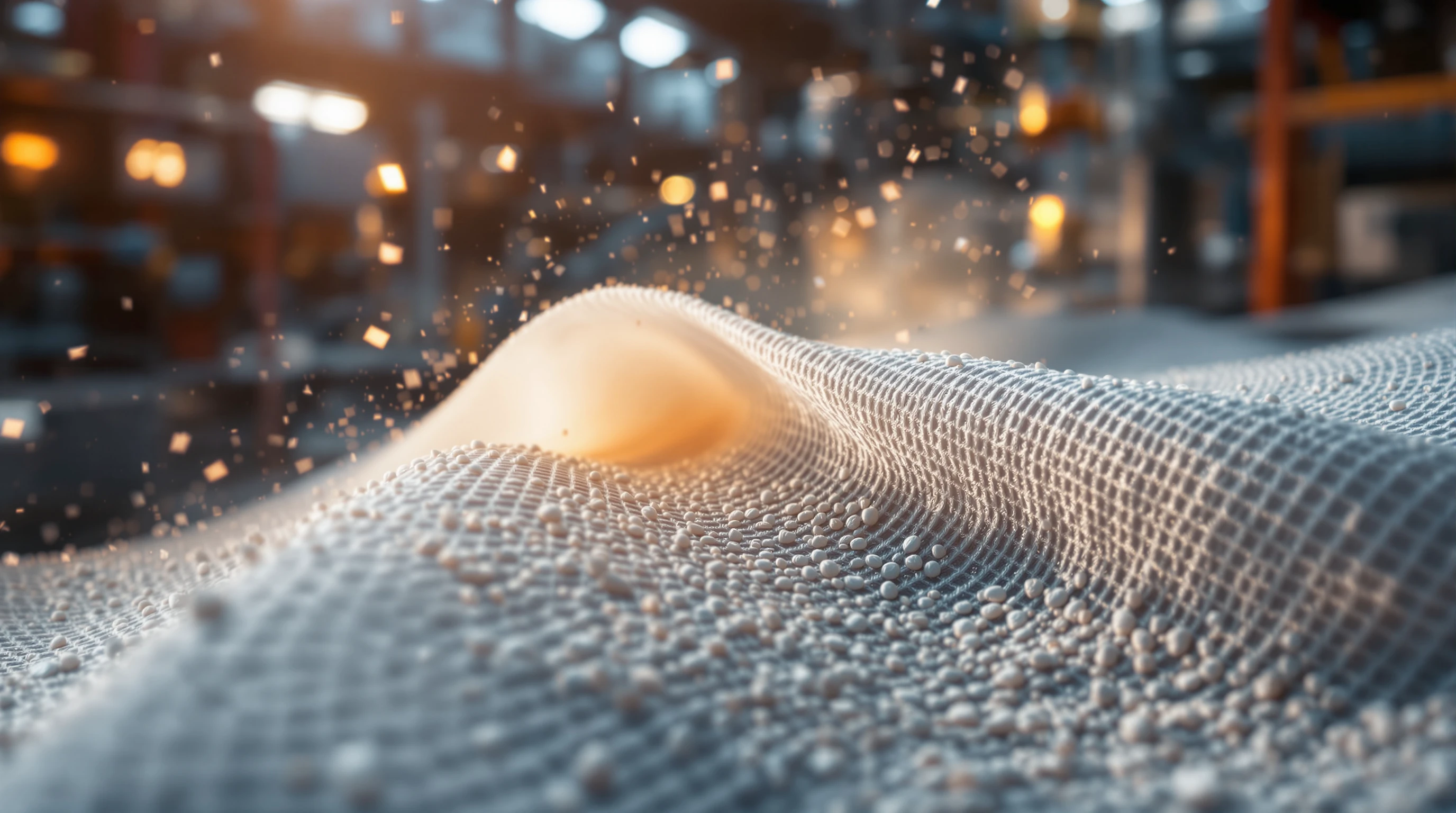
Filter cloth is a woven or synthetic fabric used in solid-liquid separation to capture fine particles and form a filter cake during mineral processing operations.
Article Snapshot
Filter cloth is a permeable woven or synthetic textile used in vacuum and pressure filtration to separate solids from liquids. While traditional filter media requires frequent replacement due to blinding and abrasion, modern mineral processing operations increasingly adopt ceramic membranes to eliminate fabric-related downtime and reduce operating costs.
Introduction
Filter cloth serves as the primary separation medium in conventional vacuum and pressure filters across the global mining industry. This permeable fabric captures suspended solids while allowing liquid to pass through, forming a filter cake that is subsequently discharged for further processing or disposal. In mineral processing, tailings management, and metallurgical refining, the performance of this filtration fabric directly dictates circuit efficiency, water recovery rates, and overall operating costs. The selection of the appropriate synthetic filter textile is a foundational engineering decision that impacts the entire site mass balance.
The inherent limitations of conventional textiles-such as blinding, abrasion, and frequent replacement cycles-have driven a technological shift in the sector. CEC Mining Systems addresses these challenges by engineering advanced solid-liquid separation equipment, including proprietary ceramic disc-vacuum filtration systems that replace traditional fabric with durable microporous membranes. You can Follow CEC Mining Systems on LinkedIn to stay updated on our latest technological deployments and project case studies. Understanding the operational characteristics, maintenance demands, and economic impact of conventional filter media is important for plant operators evaluating dewatering technologies. This guide examines the mechanics of fabric-based filtration, the operational bottlenecks it creates, and the comparative advantages of modern ceramic alternatives in demanding mining environments. We will explore material selection criteria, common failure modes, and the strategic considerations for upgrading brownfield filtration circuits to improve site water recovery.
What Is Filter Cloth in Mineral Processing?
Filter cloth is a specialized permeable textile engineered to separate solid particles from liquid slurries in industrial vacuum and pressure filtration systems. The primary function of this filtration fabric is to provide a physical barrier that retains particulate matter while permitting the filtrate to flow through the weave structure under an applied pressure differential. In mineral processing applications, the selection of the correct woven filter mesh is dictated by the particle size distribution, slurry chemistry, and the target moisture content of the final filter cake.
The manufacturing of synthetic filter textiles relies on advanced polymer extrusion and weaving technologies. Polypropylene is frequently used for its exceptional chemical compatibility and resistance to acidic or alkaline hydrolysis, making it ideal for leaching circuits and metallurgical refining. Polyester is selected for applications requiring high tensile strength and dimensional stability under heavy mechanical loads, such as horizontal belt filters handling coarse tailings. For extreme temperature environments or highly aggressive chemical slurries, polytetrafluoroethylene (PTFE) provides superior abrasion resistance and thermal stability, though at a significantly higher capital cost.
The architecture of the filter cloth weave fundamentally determines the filtration mechanics, categorized broadly into surface filtration and depth filtration. Monofilament yarns, consisting of a single continuous synthetic strand, produce a smooth surface that enables rapid cake discharge and minimizes the risk of particle entrapment within the fabric matrix. Conversely, multifilament yarns, composed of numerous twisted micro-fibers, offer higher retention rates for ultrafine particles but are highly susceptible to blinding. Weave patterns such as satin, twill, and plain are selected to balance permeability with structural integrity. A satin weave, for instance, presents a flat, uninterrupted surface on the cake side, ensuring that the filter cake releases cleanly during the discharge cycle without tearing or leaving residual material that impairs subsequent filtration rotations.
The pore size and micron rating of the filter cloth must be meticulously matched to the feed slurry characteristics. If the micron rating is too large, fine particles will pass through the matrix, resulting in poor filtrate quality and excessive loading on downstream clarifiers or water treatment circuits. If the rating is too small, the fabric will rapidly blind, causing a severe drop in throughput and forcing the vacuum pumps to work harder, thereby increasing energy consumption. Achieving the optimal balance between flow rate and particle retention requires rigorous bench-scale testwork and a deep understanding of the specific mineralogical composition of the feed material.
How Does Filter Cloth Perform in Tailings Dewatering?
In tailings dewatering applications, filtration fabric acts as the critical barrier that determines filter cake moisture, filtrate clarity, and the overall throughput of the solid-liquid separation circuit. The performance of the filter cloth directly influences the viability of tailings dry stacking, a methodology increasingly mandated by global environmental regulators to eliminate the catastrophic risks associated with conventional tailings storage facilities. Operators explore comprehensive Water and Tailings Management strategies to understand how filtration integrates into broader site sustainability goals.
The dewatering cycle on a conventional vacuum disc or drum filter begins with the submersion of the cloth-covered segments into a slurry basin. A vacuum is applied to the interior of the segment, drawing water through the fabric while retaining the solid particles on the surface. As the segment rotates out of the slurry pool, the vacuum continues to pull air through the developing filter cake, further reducing the moisture content. The efficiency of this drying phase is entirely dependent on the integrity and permeability of the filter cloth. If the fabric stretches or if the pores become partially occluded, the vacuum seal is compromised, leading to air breakthrough and a significant reduction in the dewatering driving force.
Blinding represents the most severe operational challenge in tailings dewatering. Tailings streams frequently contain high concentrations of ultrafine clays, slimes, and residual flocculants. These materials readily migrate into the interstitial spaces of multifilament yarns or become wedged in the crossover points of monofilament weaves. Once lodged, these particles resist conventional washing protocols, permanently reducing the permeability of the synthetic filter textile. As blinding progresses, the vacuum system must exert greater energy to achieve the same flow rate, and the resulting filter cake retains higher moisture levels. This wet cake is unsuitable for geotechnical dry stacking, forcing operators to either reduce throughput or divert material to secondary drying circuits.
Filtrate quality is another important performance metric governed by the filter cloth. In water-constrained jurisdictions, mining operations rely on high-quality water recovery to minimize freshwater makeup and comply with stringent discharge regulations. A compromised or poorly selected filter cloth will allow suspended solids to pass into the filtrate tank, elevating the turbidity and rendering the recovered water unsuitable for reuse in sensitive process circuits, such as flotation or reagent mixing. Adherence to frameworks like the Global Industry Standard on Tailings Management requires operators to maintain strict control over both the physical stability of the tailings deposit and the chemical quality of the recovered process water, placing immense operational pressure on the filtration medium.
Why Do Operators Transition from Filter Cloth to Ceramic Membranes?
Mining operators transition from traditional filter cloth to ceramic disc membranes to eliminate the recurring costs, downtime, and performance degradation associated with synthetic fabric replacement. While conventional textiles have served the industry for decades, their fundamental reliance on a physical weave structure makes them inherently vulnerable to mechanical wear, chemical attack, and irreversible blinding. The shift toward advanced solid-liquid separation technologies represents a strategic effort to stabilize operating costs and improve the reliability of continuous dewatering circuits.
The core of the transition to ceramic membranes lies in the unique physics of microporous alumina ceramic membranes. Unlike synthetic textiles that rely on a woven matrix, ceramic disc filters use a hydrophilic, sintered alumina structure with precise, uniform pore sizes ranging from 0.75 to 3.0 microns. This hydrophilic nature creates a powerful capillary action that draws water through the membrane while actively repelling air. In a conventional vacuum filter utilizing filter cloth, the vacuum pump must continuously move large volumes of air through the fabric and the cake, consuming massive amounts of electrical energy. In contrast, the ceramic membrane prevents air breakthrough entirely; the vacuum pump only works against the liquid column, resulting in up to 85% lower energy consumption compared to conventional vacuum filters.
Durability and lifecycle economics further drive the adoption of ceramic technology. A high-quality synthetic filter textile in an aggressive mining environment requires replacement every three to six months. The labor, scaffolding, and production downtime associated with these changeouts represent a significant hidden cost that is rarely captured in initial capital expenditure estimates. Ceramic membranes, however, are engineered for sustained continuous filtration campaigns, offering a lifespan of up to 24 months per campaign without the need for physical replacement. This extended service life drastically reduces maintenance labor and ensures consistent plant availability.
Filtrate quality and cake moisture consistency are vastly superior with ceramic membranes. Because the microporous structure does not stretch or deform under vacuum pressure, the pore size remains constant throughout the lifecycle of the disc. This guarantees that the filtrate quality consistently remains below 200 ppm suspended solids, eliminating the need for downstream polishing clarifiers. The uniform capillary action produces a filter cake that is 1.0% to 4.0% drier than what is achievable with conventional vacuum filters at similar throughput rates. For operations producing concentrates for export or smelter feed, this precise moisture control is critical for meeting strict contractual specifications and minimizing shipping costs.
What Are the Maintenance Requirements for Filter Cloth Systems?
Maintaining filtration fabric systems requires rigorous washing protocols, continuous tension monitoring, and scheduled replacement cycles to prevent catastrophic blinding and ensure consistent cake discharge. The operational expenditure associated with keeping conventional vacuum and pressure filters online is heavily weighted toward the preservation and eventual replacement of the filter media. Plant maintenance teams must implement comprehensive preventative strategies to maximize the service life of the synthetic filter textile and avoid unplanned circuit shutdowns.
Automated washing systems are the first line of defense against blinding and scale formation. Modern filtration plants use high-pressure spray bars, oscillating nozzles, and sometimes ultrasonic cleaning arrays to dislodge residual cake and precipitated salts from the fabric surface immediately after the discharge zone. The effectiveness of these clean-in-place (CIP) systems depends on the water quality, spray pressure, and the chemical compatibility of the washing agents with the polymer yarns. If the wash water contains high levels of hardness ions or if the spray nozzles become misaligned, localized blinding will occur, leading to uneven cake formation and accelerated mechanical wear on the filter drum or disc segments.
Mechanical tensioning and tracking represent a continuous maintenance burden, particularly on horizontal belt filters and large rotary drum systems. The filter belt must be kept under precise tension to prevent wrinkling, which causes vacuum leaks and uneven cake thickness. Over-tensioning, however, accelerates the elongation of the synthetic fibers, permanently altering the pore geometry and reducing the retention capability of the woven filter mesh. Maintenance crews must routinely inspect tensioning rollers, alignment guides, and drive mechanisms to ensure the fabric tracks centrally. Edge damage caused by misalignment is a primary cause of premature fabric failure, resulting in catastrophic tearing that forces an immediate, unplanned shutdown of the dewatering circuit.
Chemical degradation and hydrolysis silently compromise the tensile strength of the filter cloth over time. Slurries with extreme pH levels, elevated temperatures, or high concentrations of oxidizing reagents will systematically break down the polymer chains of the synthetic yarns. Polyester, for example, is highly susceptible to alkaline hydrolysis, while nylon degrades rapidly in strong acidic environments. Regular sampling and laboratory testing of the fabric are necessary to monitor the loss of tensile strength and predict the remaining service life. Industry resources such as the Society for Mining, Metallurgy & Exploration provide extensive guidelines on material selection and degradation monitoring for harsh mineral processing environments. Ultimately, the physical replacement of the filter cloth is a labor-intensive, high-risk activity that requires specialized rigging, confined space entry permits, and significant production downtime, reinforcing the economic argument for longer-lasting alternative technologies.
Questions from Our Readers
How long does filter cloth last in a mining filtration plant?
Filter cloth lasts between three and six months in aggressive mining environments before requiring replacement due to blinding, abrasion, or chemical degradation. The exact lifespan depends heavily on the slurry abrasiveness, the chemical composition of the feed, and the rigor of the automated washing protocols. Operations processing coarse, highly abrasive concentrates will experience accelerated mechanical wear on the fabric surface, necessitating more frequent changeouts. Conversely, circuits handling fine, chemically inert tailings achieve extended service life, provided that blinding is effectively managed through high-pressure spray systems and periodic chemical cleaning cycles.
What causes filter cloth blinding in tailings dewatering?
Blinding occurs when ultrafine particles like clays become permanently lodged within the woven pores of the filtration fabric, blocking liquid flow and reducing throughput. These sub-micron slimes migrate deep into the interstitial spaces of multifilament yarns or wedge tightly at the crossover points of monofilament weaves. Once embedded, they resist standard high-pressure water washing and require aggressive chemical treatments to dissolve. The accumulation of residual flocculants and precipitated scaling salts, such as calcium carbonate or gypsum, further cements these particles in place, permanently reducing the permeability of the synthetic filter textile and forcing the vacuum system to consume more energy to maintain baseline flow rates.
Can filter cloth achieve the same filtrate quality as ceramic membranes?
Conventional filter cloth rarely achieves the sub-200 ppm suspended solids filtrate quality produced by ceramic membranes, requiring secondary polishing steps to clarify overflow water. Synthetic textiles are subject to mechanical stretching, yarn displacement, and localized wear, all of which create microscopic pathways for fine particles to bypass the filtration matrix. As the fabric ages and undergoes repeated tensioning and washing cycles, the uniformity of the pore structure degrades, leading to a gradual increase in filtrate turbidity. Ceramic membranes maintain a rigid, uniform microporous structure throughout their lifecycle, guaranteeing consistent, high-clarity filtrate that is returned directly to sensitive process circuits without additional treatment.
How does filter cloth selection affect filter cake moisture?
The pore size and weave pattern of the filter cloth directly dictate capillary retention, meaning tighter weaves capture more solids but yield wetter cakes. A fabric with a very fine micron rating will restrict airflow during the drying phase of the vacuum cycle, preventing the effective evacuation of moisture from the interstitial spaces of the filter cake. Conversely, a coarser weave allows for rapid air throughput and lower cake moisture but risks poor solids retention and high turbidity in the filtrate. Operators must carefully balance the requirement for dry cake discharge against the necessity of maintaining high filtrate clarity, a compromise that advanced ceramic membranes effectively eliminate through their unique hydrophilic capillary action.
Filter Cloth vs. Ceramic Disc Filtration
Selecting the appropriate filtration medium dictates the long-term economic and operational viability of a dewatering plant. The choice between maintaining conventional fabric-based systems and upgrading to advanced solid-liquid separation technologies involves a complex evaluation of capital expenditure, operating costs, and circuit reliability. The following table contrasts conventional fabric media with advanced ceramic membrane technology across critical performance metrics relevant to modern mining operations.
| Performance Metric | Conventional Filter Cloth | Ceramic Disc Membrane |
|---|---|---|
| Expected Service Life | 3 to 6 months | Up to 24 months |
| Filtrate Quality (Suspended Solids) | Variable, >1,000 ppm | Consistently <200 ppm |
| Energy Consumption | High (vacuum moves air and liquid) | Up to 85% lower (vacuum moves liquid only) |
| Cake Moisture Consistency | Fluctuates with fabric wear and blinding | Highly uniform, 1.0-4.0% drier |
| Susceptibility to Blinding | High (requires intensive washing) | Low (rigid microporous structure) |
| Maintenance Downtime | Frequent changeouts require significant labor | Minimal, modular segment replacement |
While the initial procurement cost of synthetic textiles appears lower, the total cost of ownership heavily favors ceramic technology when factoring in energy savings, reduced maintenance labor, and the elimination of downstream water polishing costs.
Advanced Solid-Liquid Separation by CEC Mining Systems
CEC Mining Systems designs and manufactures advanced solid-liquid separation equipment that overcomes the inherent limitations of traditional fabric-based filtration. Headquartered in Vancouver, Canada, we specialize in the delivery of turn-key tailings dewatering projects and the supply of proprietary filtration technologies to the global mining, metallurgical, and industrial water treatment sectors. Our engineering approach is rooted in a deep understanding of mineral processing realities, ensuring that our solutions deliver measurable improvements in circuit efficiency and site sustainability.
At the core of our technology portfolio is the CX-Series Ceramic Disc Vacuum Filter , which replaces conventional filter cloth with durable, microporous alumina membranes. This proprietary technology delivers 30% to 40% lower CapEx and OpEx compared to conventional filtration systems, driven by massive energy savings and the elimination of frequent media replacement cycles. For existing operations struggling with fabric blinding, high moisture content, or bottlenecked throughput, our Brownfield Audits and Optimization services provide a comprehensive diagnostic of the current filtration circuit, identifying specific opportunities for technology modernization and performance enhancement.
With over 650 systems installed across eight countries, CEC Mining Systems possesses the global reach and local execution capability to support complex projects in remote jurisdictions. From initial conceptual engineering through EPC/EPCM execution and post-commissioning operational support, our multidisciplinary team provides a single point of contact for the entire project lifecycle. We are committed to advancing sustainable mining practices by delivering technologies that maximize water recovery, minimize tailings storage risks, and reduce the overall environmental footprint of mineral processing operations.
Best Practices for Filtration Media Selection and Operation
Optimizing solid-liquid separation circuits requires a methodical approach to media selection, operational monitoring, and preventative maintenance. Whether operating conventional fabric filters or evaluating a transition to advanced membranes, plant engineers must adhere to rigorous best practices to ensure consistent performance and cost efficiency.
- Conduct Rigorous Bench-Scale Testwork: Never select a filtration medium based solely on theoretical particle size distributions. Engaging in comprehensive Bench and Pilot Testing allows engineers to evaluate the actual filterability of the slurry, measure the rate of blinding, and determine the optimal pore size and polymer chemistry required for the specific mineralogical composition of the feed material.
- Implement Automated and Optimized Wash Cycles: To extend the life of synthetic textiles, ensure that clean-in-place spray bars are correctly aligned and operating at the designed pressure. Use intermittent high-pressure pulse washing rather than continuous low-pressure sprays to effectively dislodge embedded slimes without causing mechanical fatigue to the yarn structure.
- Monitor Feed Slurry Rheology and Flocculant Dosage: Variations in slurry density and flocculant overdosing drastically alter the permeability of the filter cake and accelerate the blinding of the filter cloth. Implement real-time density meters and automated flocculant dosing controls to maintain a consistent feed profile to the filtration circuit.
The Bottom Line
Upgrading from conventional filter cloth to advanced ceramic filtration represents a strategic investment in operational continuity and long-term cost reduction. While synthetic textiles remain prevalent in legacy mineral processing circuits, their susceptibility to blinding, mechanical wear, and frequent replacement imposes a heavy operational burden that erodes plant profitability. Modern microporous ceramic membranes eliminate these vulnerabilities, delivering superior filtrate quality, significantly lower energy consumption, and extended service life that fundamentally changes the economics of tailings dewatering and concentrate filtration.
CEC Mining Systems is ready to help you modernize your solid-liquid separation circuits and achieve your site mass balance objectives. Contact our process engineering team today at info@cecminingsystems.com or visit our website to schedule a brownfield audit or request bench-scale testwork for your next filtration project.
Learn More
- Follow CEC Mining Systems on LinkedIn. LinkedIn.
https://ca.linkedin.com/company/cec-mining-systems-corporation - Global Industry Standard on Tailings Management. UNEP.
https://tailingstailings.org/global-industry-standard-on-tailings-management/ - Society for Mining, Metallurgy & Exploration. SME.
https://www.smenet.org/